About the CERRC
 The Community-Engaged Research Resource Center (CERRC) supports the Justice Community Overdose Innovation Network (JCOIN) by strengthening the integration of community perspectives into research that is focused on substance use and criminal legal system involvement.
The CERRC provides infrastructure, guidance, and practical tools to help JCOIN investigators and others improve how they meaningfully and thoughtfully engage individuals with direct experience in justice and substance use systems across the entire research lifecycle. Thus, the CERRC supports JCOIN’s mission to generate actionable evidence for addressing substance use among justice-involved populations.
Quick links:
Purpose
CERRC is designed to:
- Enhance the relevance and applicability of JCOIN research
- Support bidirectional communication between researchers and community partners
- Promote meaningful involvement of persons with lived experience in research activities
- Improve the translation of research findings into real-world settings
Who CERRC Supports
- JCOIN investigators and research staff
- Persons with lived experience involved in JCOIN
- Community and practice partners
- Researchers and persons with lived experience outside of JCOIN
Key Activities
Community Engagement Support
- Establishes and supports a national Community Advisory Board of individuals with lived experience of substance use issues and the criminal legal system as a resource to JCOIN
- Advises JCOIN research teams on engagement strategies during study design, implementation, and dissemination
- Provides rapid feedback from people with lived experience of substance use issues and the criminal legal system to JCOIN and external investigators on research materials
Resources & Training
- Assists human resources staff to align with Fair Chance policies and practices
- Develops and disseminates practical tools, guides, and templates for community-engaged research and supporting people with lived experience on research teams
- Provides mentoring to people with lived experience in JCOIN regarding research careers
- Tailors training and networking support for JCOIN leadership and people with lived experience working within JCOIN
Build Pipelines & Research Emerging Topics
- Provides research training and opportunities for justice-involved populations, including those within carceral settings
- Elevates community-identified priorities that can inform ongoing or future studies
- Conducts short-term research projects addressing emerging topics
Collaboration With JCOIN Hubs and Resource Centers
- Works closely with JCOIN Research Hubs and Innovation Hubs to:
- Identify engagement needs
- Tailor support to specific projects
- Integrate community feedback into research processes
- Share examples of effective engagement approaches used across the network
- Coordinates with the JCOIN Coordination and Translation Center (CTC) to disseminate engagement resources across the network
Who We Are
The JCOIN CERRC is a partnership between Chestnut Health Systems (U24DA064498) and the SEICHE Center for Health and Justice at Yale/JustLeadershipUSA (U24DA064520). This collaboration includes other sector partners such as Addiction Policy Forum, University of Illinois Chicago, Indiana University, Formerly Incarcerated College Graduates Network, Faces & Voices of Recovery, From Prison Cells to PhD, National Harm Reduction Coalition, BARD Prison Initiative, and experiential experts with lived experience.
Community Advisory Board (CAB)
The CERRC also works with a CAB comprised of individuals who are in recovery and have had involvement with various intercepts of the criminal legal system. The CAB engages in numerous activities, including identifying priorities for some of the CERRC's research and services, consulting to JCOIN researchers, co-leading some of the CERRC's research, and providing rapid feedback on research materials. CAB members are from all around the country and bring a wide range of expertise to this work.
Note: CAB members had a choice of how much of their personal information to include on this page, including the option of providing an anonymous bio. Members also chose the language and terminology themselves.

Alexander Brown
Chicago, IL
Alexander Brown resides in Chicago, Illinois. He is a Certified Recovery Support Specialist (CRSS) and a nationally certified Individual Placement and Support (IPS) Employment Specialist with lived experience in long-term recovery and involvement in the criminal legal system. His recovery journey reshaped his life’s purpose and deepened his commitment to service, leadership, and systems change. Alexander serves as an Intervision Facilitator, supporting peer professionals in reflective practice, ethical decision-making, and sustainable workforce development. He advances employment as a pathway to recovery stability, economic mobility, and reduced recidivism. He has also been active in organizing and advocacy efforts supporting the recent signing of Clean Slate legislation in Illinois, expanding access to record sealing reforms and second chance opportunities. Alexander brings to the Board a recovery-centered perspective grounded in peer leadership, workforce development, and policy advocacy, and is committed to ensuring directly impacted voices inform research, funding priorities, and decision-making.

Allie
Denver, CO
Allie has been in recovery for 3 years. She struggled in college with finding her sobriety, managing an internship and classes, and living under the rules of probation. She is starting graduate school at the University of Denver in the fall and hopes to achieve a Master of Social Work. Allie is trying to live her life for others by connecting with people in recovery and advocating for those whose voices are diminished by the justice or healthcare system.

Amanda Cassidy
Trejo, TX
Amanda Cassidy-Trejo is a Texas-based recovery and reentry advocate with lived experience navigating substance use disorder and the criminal legal system. She currently works in recovery-focused leadership and program development, centering dignity, access, and evidence-informed practice. Amanda brings both personal insight and professional expertise to her work, helping bridge the gap between policy, research, and real-world implementation. She is committed to ensuring that systems-level decisions reflect the voices of those directly impacted.
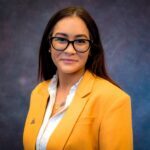
Arianna Mellinger
Longview, TX
Arianna Mellinger holds a Bachelor of Social Work from Walden University and is a Licensed Chemical Dependency Counselor Intern (LCDC-I) in the state of Texas. She also earned a Chemical Dependency Counselor certification from Houston Community College. Since 2020, Arianna has worked in community mental health, serving in roles including peer support specialist on a crisis response team and substance use counselor in rural East Texas. Her work focuses on strengthening recovery ecosystems, expanding access to behavioral health services, and translating complex systems into actionable strategies that produce measurable impact. Arianna’s professional path is informed by both lived and intergenerational experience with the criminal legal system. With parents who were incarcerated at separate times and her own period of incarceration in the federal system, she brings a systems-informed and trauma-aware lens to reform efforts. She holds certifications as a Justice-Involved Peer Support Specialist, a Recovery Peer Support Specialist, and an LCDC-CI. Following her release, Arianna founded Recovery Innovation Consultation LLC, a peer support consulting firm focused on integrating lived experience into crisis systems. Through this work, she has helped shape county-level crisis response services to incorporate peers into mobile crisis teams. She is particularly passionate about the intersection of youth and the carceral system and advancing evidence-informed alternatives to incarceration. Arianna is also a speaker on mental health, substance use, recovery, and criminal legal reform, using narrative, data, and systems analysis to drive dialogue and structural change.
Arielle Estes
New Jersey
Arielle Estes is a nationally certified Peer Recovery Specialist with lived experience navigating substance use and justice-involved systems. She works in community-based peer support, assisting individuals transitioning from incarceration into the community. Arielle also collaborates on community-engaged research focused on strengthening systems of care for families impacted by substance use. She is committed to ensuring that lived expertise meaningfully informs research, policy, and program development.

Greg Berry
Fayetteville, NC
Greg Berry is a public health leader, harm reduction strategist, and justice system reform advocate. He serves as the Statewide Director of Law Enforcement Assisted Diversion & Deflection Programs for the North Carolina Harm Reduction Coalition. Greg also coordinates the Cumberland-Fayetteville Opioid Response Team and co-leads one of the nation’s largest community-based studies on xylazine. He is a certified Peer Support Specialist, Forensic Peer Support Trainer, and SMART Recovery Facilitator, with expertise spanning overdose prevention, reentry support, and coalition-building. As a formerly incarcerated person, Greg draws from more than 20 years of lived experience navigating both the juvenile and adult justice systems. Today, he uses his own recovery as testament to the proposition that change is possible. His work has been featured in WUNC, CityView NC, the Border Belt Independent, and peer-reviewed research collaborations. Greg is currently pursuing his Doctor of Health Sciences (DHSc) at Campbell University.
Joseph
Southern US
Joseph is a first-generation Hispanic American scholar who overcame early academic disruption and involvement with the criminal justice system to transform his life through education and research. After successfully completing only the seventh grade in his early schooling, he returned to academics to earn a 4.0 GPA and graduate summa cum laude, and he discovered a passion for academia, mentorship, and quantitative research along the process. He has received mentorship from faculty researchers and has contributed to research on stigma, sexuality, gender differences, neuroscience, and conflict resolution. He is now a fifth-year PhD student, residing in the Southern region, and his work focuses on intimate partner violence, mental health, and biopsychosocial health disparities. He is committed to the advancement of rigorous, evidence-based research that improves outcomes for disadvantaged communities and equity in mental health care.
Leah Reine
Louisiana
Leah Reine is a young adult living in Louisiana. She is currently trying to get into advocating for others that have been through addiction in general, but specifically for women who are pregnant and going through addiction. She herself went through two pregnancies while in addiction treatment, and from firsthand experience she would like to help change the way pregnant women and their babies are treated during, after, and moving forward to the future. They need a voice that hears them and is willing to help them during an uncertain period.

Michael King
Lynnwood, WA
Michael King is a leadership trainer and coach, the Director and Creator of The Communities Project, and the Managing Principal of Impact Leadership Training & Coaching, LLC. He spent over a decade in the political arena, working on Presidential, Gubernatorial, U.S. Senate, and local campaigns, from county to state legislative efforts. He is a past Campaign Director, Field Director, and Communications Director for the Washington State Democratic Party, and the former Executive Director of the Washington State Senate Democratic Campaign Committee. The former National Director of Outreach & Engagement for Facing Addiction with NCADD, Michael is also a co-founder of a Washington state-based not-for-profit organization that empowers young people to engage in the political process. He is an alumnus of JustLeadershipUSA’s Leading with Conviction program and a graduate of the Rockwood Leadership Institute’s online Art of Leadership program. Michael has studied solution-focused coaching, is a past Steering Committee member for the Peer Recovery Center of Excellence, and is a person in long-term recovery.

Shelton McElroy
Louisville, KY
Shelton McElroy is a behavioral health practitioner, reentry housing strategist, and national workforce development advisor based in Louisville, Kentucky. He brings lived experience with substance use recovery and justice system involvement, alongside more than a decade of professional leadership in community-based behavioral health, housing stabilization, and economic mobility initiatives. Shelton serves in national advisory and implementation roles supporting justice-impacted individuals through housing-first models, workforce pathways, and trauma-informed systems change. His work bridges research, policy, and lived expertise, helping shape more equitable responses at the intersection of public health and the criminal legal system. As a member of the CERRC Board, Shelton is committed to advancing community-engaged research that centers dignity, accountability, and systems transformation. He believes that lived experience is not a liability but a leadership credential that strengthens public health innovation.
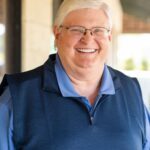
William K. Sansing
Starkville, MS
Dr. William Sansing, LPC-S, retired in late 2020 from more than 25 years in higher education and addiction services, and now owns and operates Resilient Life Counseling Services, LLC, where he works as an addiction, emotional health, and relationship therapist and supervisor. He is actively involved in multiple criminal justice advocacy efforts, including JustLeadershipUSA, Mississippi Prison Reform Coalition, and Higher Education in Prison. In addition, he is a CHSS-CES Specialty Faculty member at Grand Canyon University. With almost three decades of post-justice advocacy for people who’ve been directly impacted by the legal system and those with disabilities or substance use disorders, Dr. William Sansing has an intense passion for equitable and accessible opportunities for everyone. Dr. Sansing recently published a memoir titled Beyond Prison: Finding Second Chances Through Grace, Resilience, and Community to share his lived experience in prison life and its associated setbacks. His post-incarceration time as an educator, researcher, and therapist gives him a unique perspective from which to effectively address prison reform, trauma, and the need for judgment- and shame-free communities. In his leisure time, Dr. Sansing loves spending time with his grandchildren and family, reading, cycling, playing pickleball, woodworking, traveling, and watching most college sports. His idea of decorating is building more bookcases.

Anonymous
Southern Region
This Board member brings valuable lived experience to the Community Engaged Research Resource Center (CERRC). Their background includes long‑term recovery from substance use and mental health challenges, as well as firsthand knowledge of the criminal justice system. They currently serve in a statewide role focused on addressing the opioid crisis, working to expand access to treatment, prevention initiatives, and recovery support services for individuals impacted by opioid and stimulant use disorders. In addition to their professional contributions, they hold multiple credentials in substance use treatment and peer support. They are also actively pursuing a graduate degree in clinical mental health counseling, further strengthening their ability to support individuals and communities affected by behavioral health challenges.
Contact the CERRC
To learn more about CERRC resources, training opportunities, or ways to engage, please contact us at [email protected].