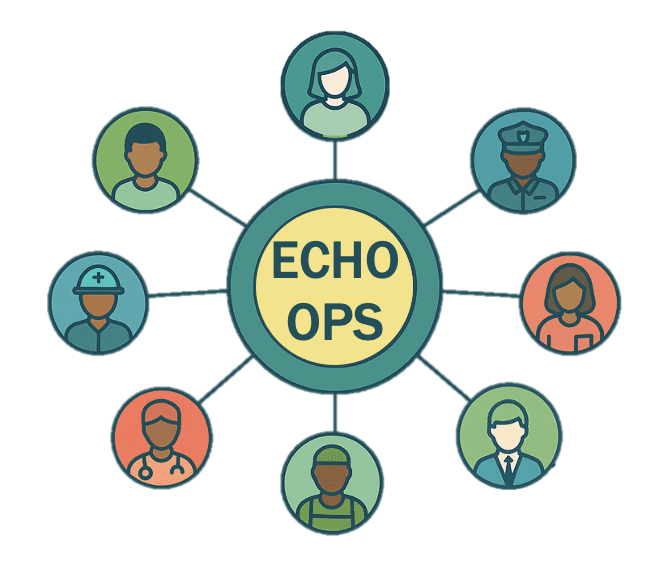
Improving Jail Response to the Overdose Crisis: A Hybrid Trial of Jail ECHO Operations, Planning, and Strategy to Improve Medications for Opioid Use Disorder Implementation and Public Health Outcomes
Despite jails being required to provide medical care, only around 20% offer medications to treat opioid addiction, and even fewer provide easy access to these treatments. Rural jails, which make up two-thirds of all jails, face big challenges in offering these programs due to operational and logistical difficulties, resulting in inconsistent access to proper care. This study focuses on a new strategy called Jail Extension for Community Healthcare Outcomes (ECHO) Operations, Planning, and Strategy (J-ECHO OPS), which aims to increase access to opioid treatment medications in rural jails. In 40 rural jails across the country the team is providing virtual learning sessions, discussions, and knowledge sharing among jail leaders, staff, and community healthcare providers.
Study Aims
Principal Investigator

Rosemarie Martin
University of Massachusetts Chan Medical School
Co-Investigators
- Laura Tomedi, PhD, MPH, University of New Mexico
- Bruce Barton, PhD, University of Massachusetts Chan Medical School
- Karla Thornton, MD, MPH, University of New Mexico
- Ali Jalali, MD, PhD, Cornell University
- Todd Molfenter, PhD, University of Wisconsin
- Kathleen Maurer, MD, MPH, MBA, American Correctional Association
- Grace Ryan, PhD, MPH, University of Massachusetts Chan Medical School
Justice Agency Partner
- Jennifer Clarke, American Correctional Association
Health Agency Partners
- Linda Hurley, American Association for the Treatment of Opioid Dependence
- Mark Parrino, American Association for the Treatment of Opioid Dependence